
10 Edible Flowers for Northwest Gardeners
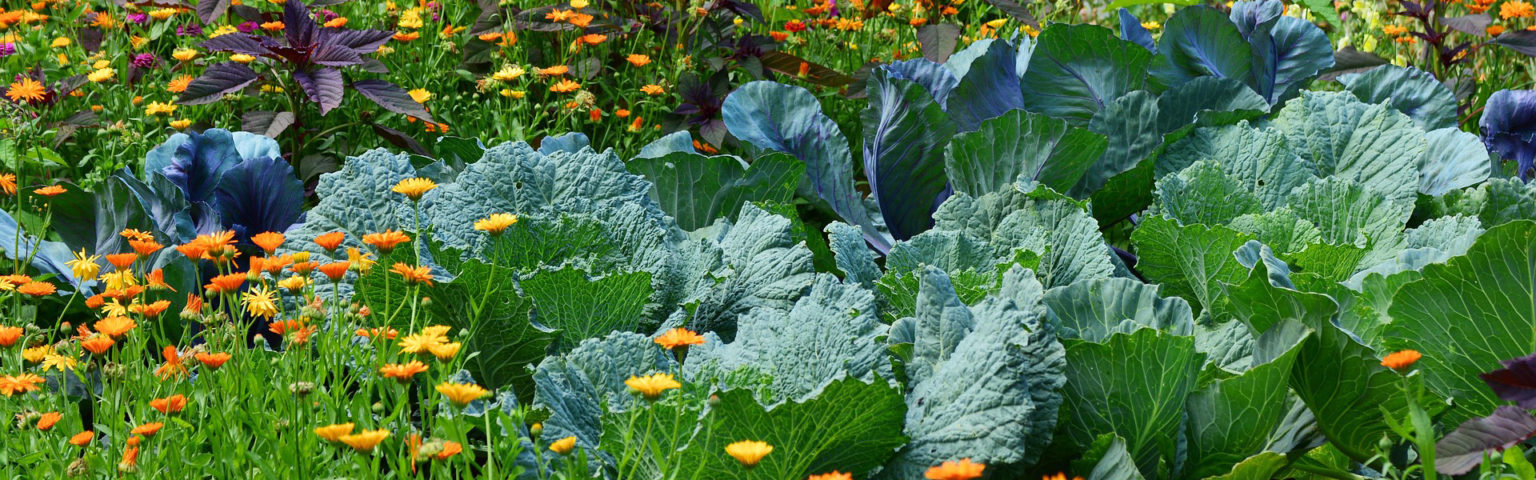
As urban/small space gardeners in the Northwest, incorporating edible flowers is an oft-underestimated opportunity to connect to our gardens, all while improving biodiversity and overall garden health. And, the wide, fragrant, and delicious world of edible flowers is far from limited. You've likely already heard of chamomile, hibiscus, lavender, and even rose in drinks and sweets, but there is so much more to be discovered.
Edible flowers can be used to make teas, infuse syrups and shrubs, decorate cakes, garnish plates, and simply add some extra pops of color to your veggie garden! And they aren’t just for you to enjoy; many edible flowers attract important pollinators like bees and hummingbirds, while distracting or preventing pests! Not to mention, the added plant diversity can improve overall soil and plant health for a better, longer-lasting veggie patch.
Today, we’ve gathered up a selection of some of our favorite edible flowers that we see at Sky Nursery in the spring. All of these plants are available in our veggie and herb department in the greenhouse and have been organically and sustainably grown for you to enjoy!
Please Note: This is NOT a specific availability list but a broad idea of what comes into Sky from about March - June. What we actually have in stock changes week to week with weather forecasts and grower availability.
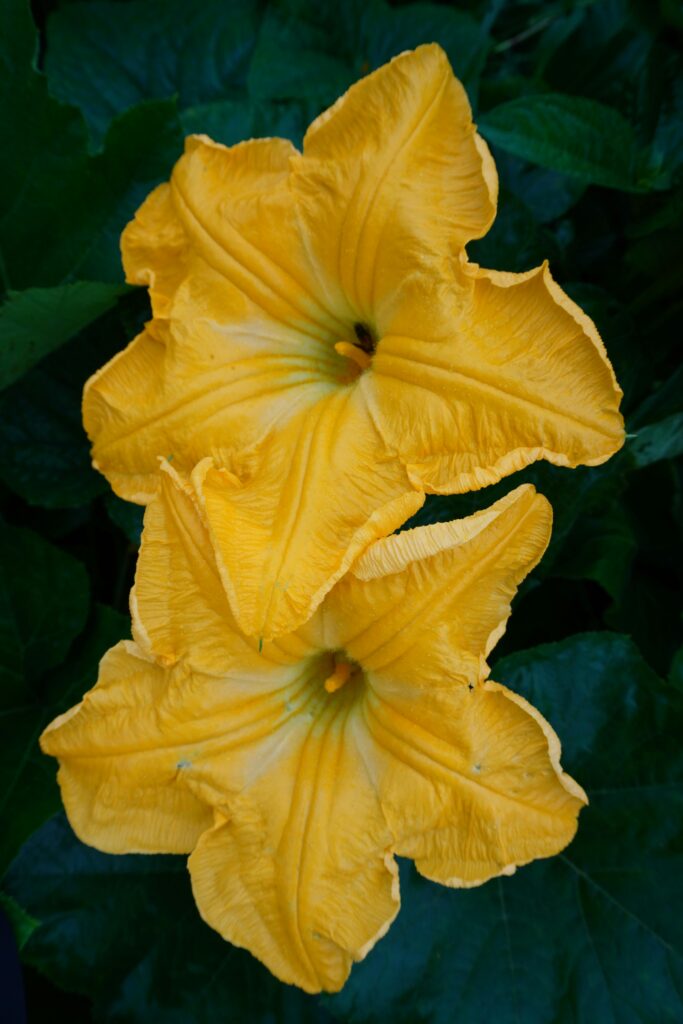
Squash Blossoms
Cucurbita spp.
A lovely sight at local farmers markets, squash blossoms are the flowers you find on summer and winter squash (think zucchini, patty pan, pumpkin, and butternut etc.) They have a sweet, mild squash flavor; for those of you with squash plants in the early season that are producing nothing but male flowers, you can cut them off and use them in a variety of applications! Stuff with ricotta cheese and fry, or add into a quiche or frittata for some extra flair.
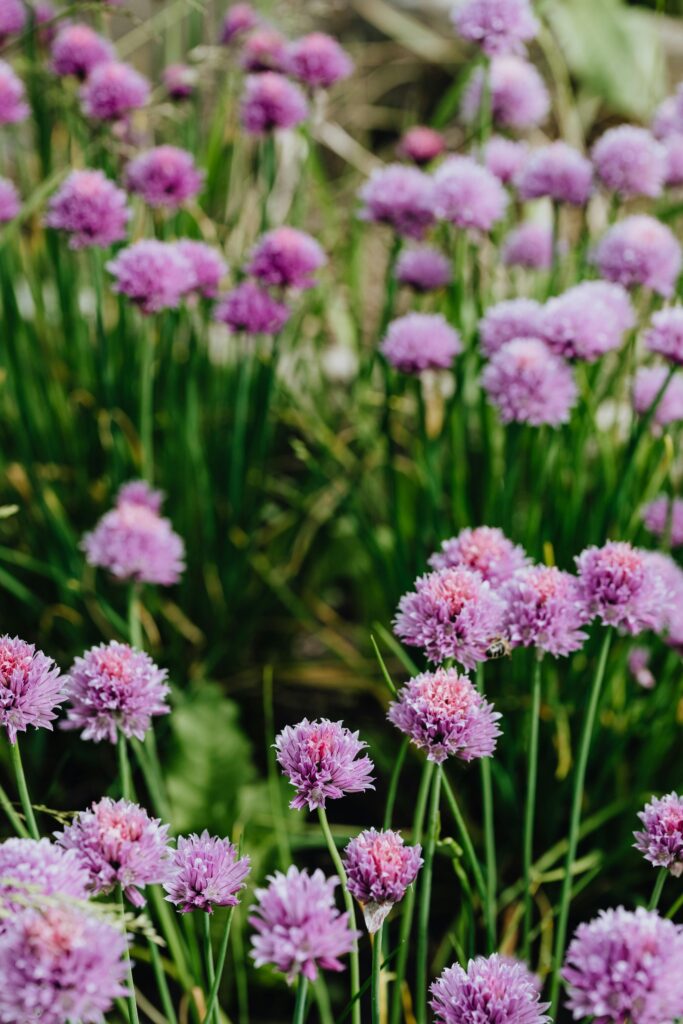
Chives
Allium schoenoprasum
This perennial herb will fill your garden with the loveliest pale purple blooms all summer long! Much like the rest of this delicious culinary herb, chive blossoms are edible and have a delicate onion flavor. They’re composite flowers too, meaning they can be used whole or broken up into smaller florets. Use them the same way you use chopped chives!
The scent of chives (or any allium, for that matter) also deters some garden pests from attacking your other veggies; certain species of aphids, spider mites, and even rabbits dislike the pungent smell of alliums of all kinds.
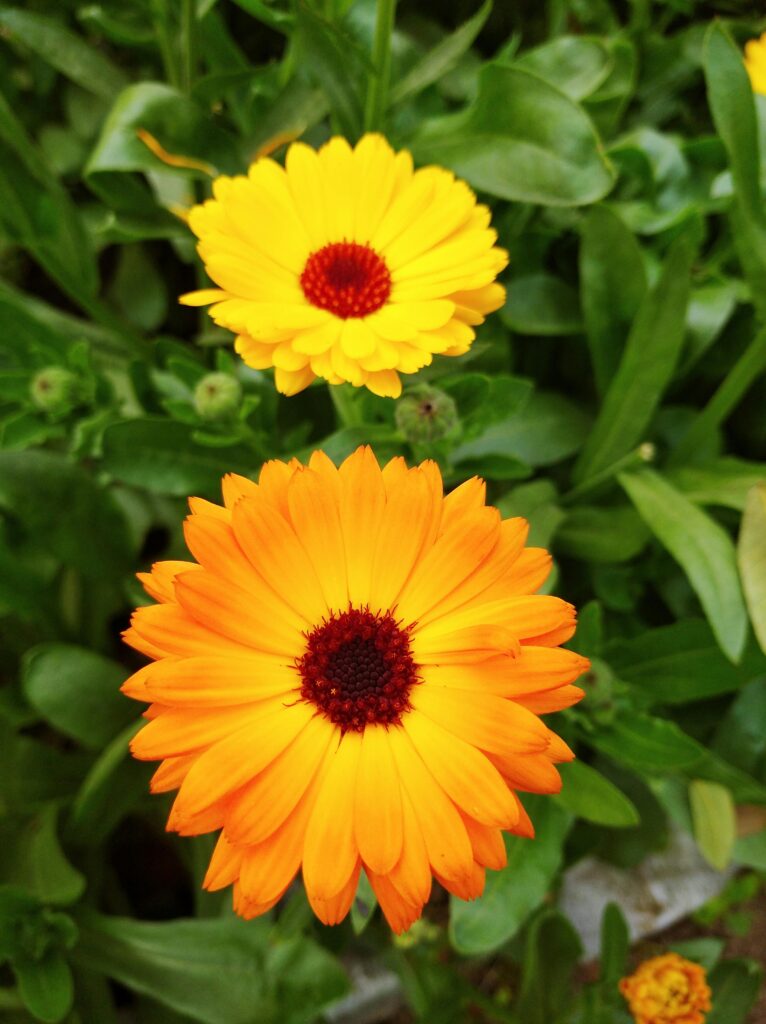
Calendula
Calendula officinalis
Calendula truly does it all, from stunning cut flowers to a delicious tea! Coming in a variety of warm hues, the petals have an earthy, bitter taste when fresh, but develop a richer, sweeter flavor as they dry. Not to mention they’re an excellent way to attract ladybugs and lacewings to your garden! The bright colors and large, flat faces act as the perfect landing pad for them to rest on (and hopefully find a quick snack).
The plants themselves are incredibly vigorous, flower constantly throughout the summer, and reseed to produce more flowers next spring.
Nasturtiums
Tropaeolum majus
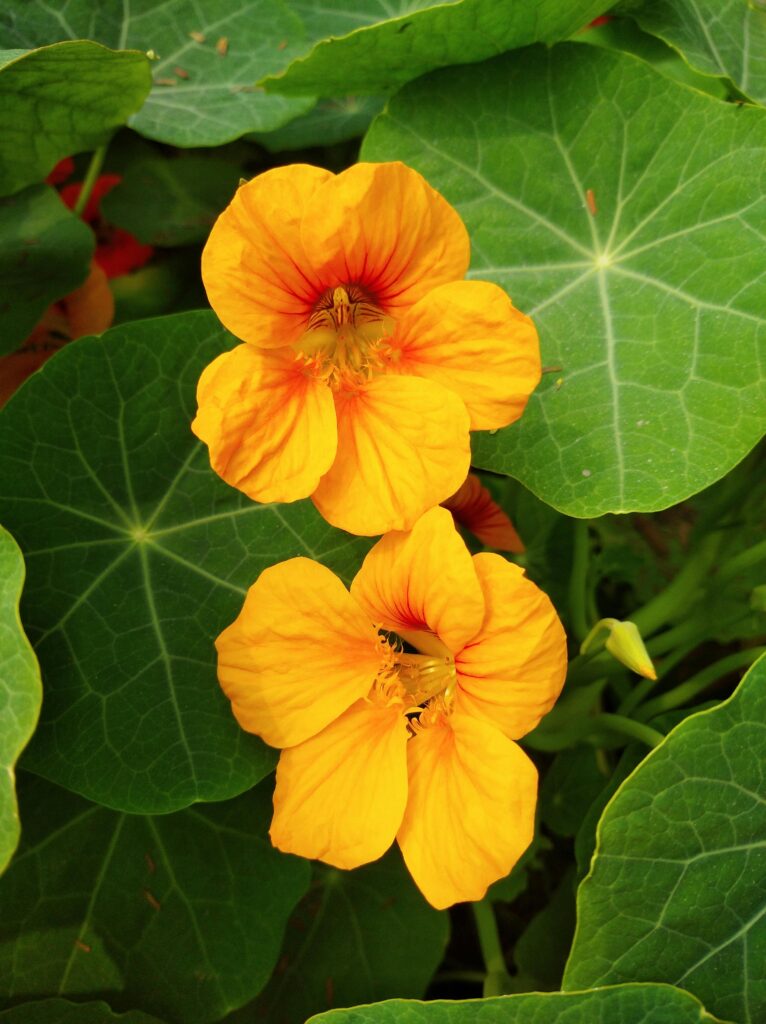
Nasturtiums are one of our favorite edible flowers for their variety of bright colors and equally bright, peppery taste (similar to arugula)! Both the flowers and the leaves are edible, so they can be tossed into all manner of salads. Or, try elevating your snack plates with some nasturtium compound butter!
Nasturtiums can also act as a trap crop, a strategy favored by many gardeners. This works because aphids are big fans of these flowers, so much so that they’ll actually ignore other veggies in favor of them! Just be sure to check up on your nasturtiums regularly, as aphid populations can explode if left unattended. If they start taking over, a quick blast with the hose will help take them down a few notches.
Pansies/Violas
Viola × wittrockiana & Viola tricolor
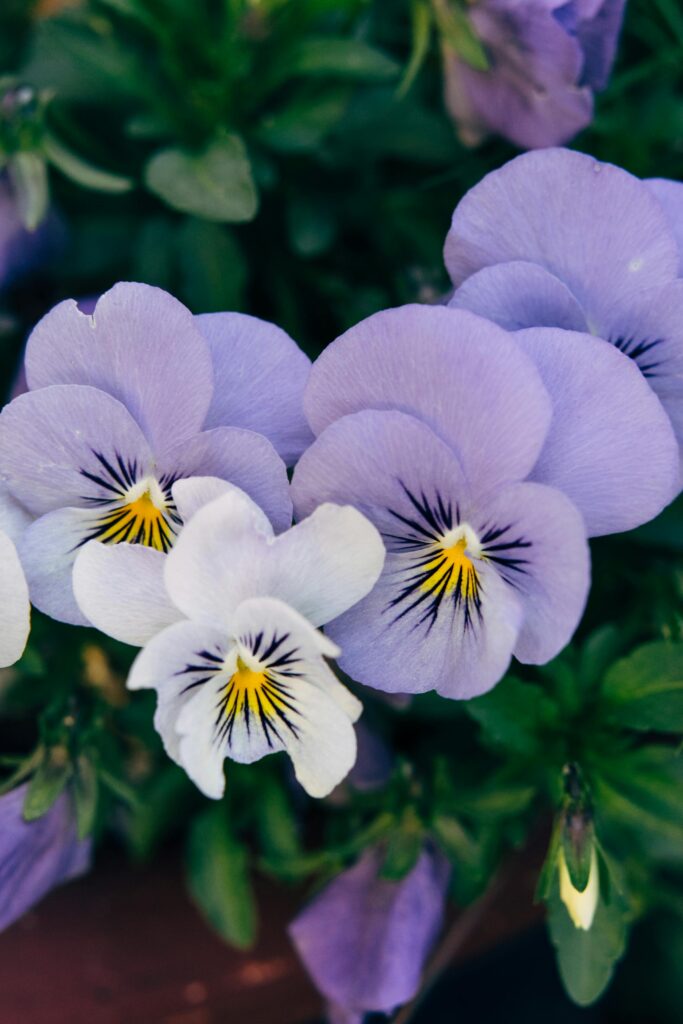
While we’ve already spoken at length about how amazing pansies are, we can’t help but mention them again here! Their gorgeous blooms come in a rainbow of colors, patterns, and textures, and they’re one of the only flowers on this list that can bloom all winter long! The petals have a grassy, slightly minty flavor that works perfectly as an elegant garnish for any number of sweet or savory dishes.
Pansies and violas also have a fair number of uses outside the kitchen; long-stemmed pansies make for the perfect springtime table arrangement, and the whole heads are stunning when pressed and added to a scrapbook!
(Honeybee & Tiger Eye violas can be especially fragrant)
Sunflowers
Helianthus annuus
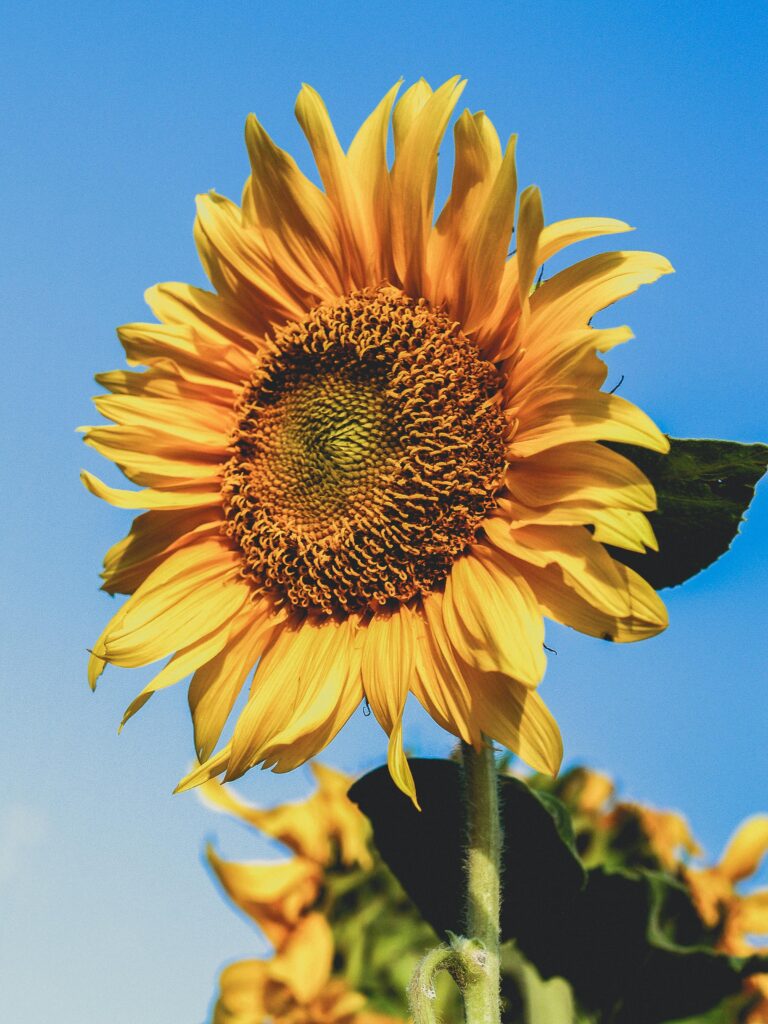
Nothing screams SUMMER like the bright yellow face of a sunflower! The roasted seeds are a classic that’s super easy to make, while the uncooked ones make an excellent snack for backyard birds! You can substitute shelled sunflower seeds for nuts in almost any recipe; or make homemade 'sunbutter,' pesto, and top salads for an extra crunch!
While still in the ground, the giant flower heads are another ladybug and lacewing hangout spot, and the strong, sturdy stalks can even be used as a living stake for climbing plants like pole beans.
Pineapple Sage
Salvia elegans
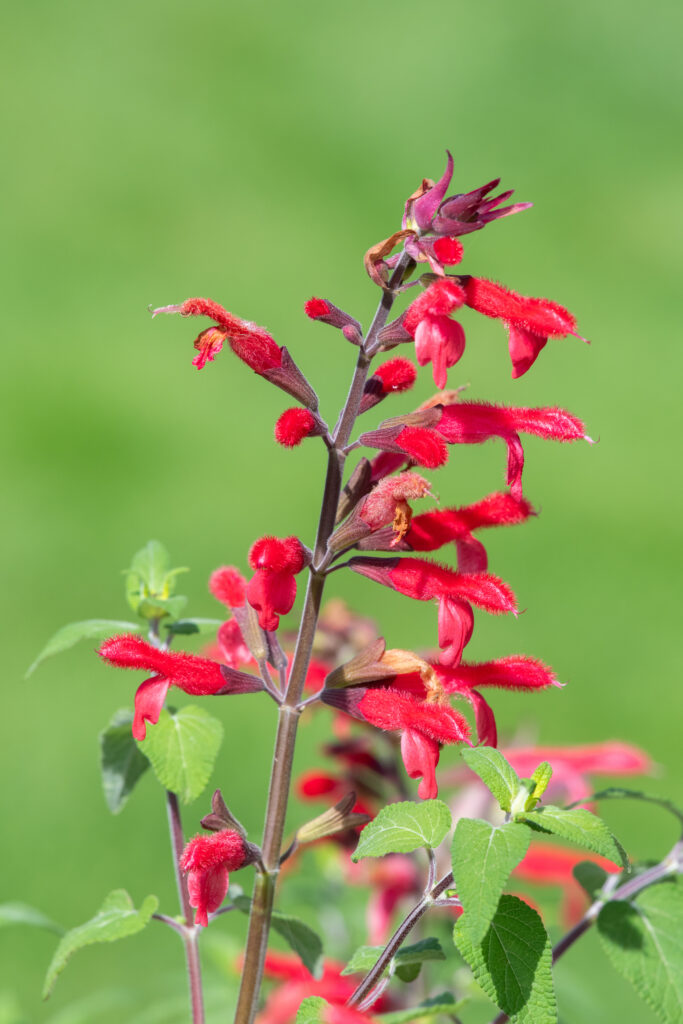
The botanical name Salvia elegans denotes this wonderful species of sage. The late summer flowers are a brilliant scarlet shade with a tasty nectar that hummingbirds and bees adore! But for us humans, the real star of the show is its foliage.
The pineapple scented leaves can be crushed and added to drinks, infused into simple syrups, or chopped up and added to marinades and fruit salads for an extra layer of delicious tropical flavor! Or, if pineapple isn’t your cup of tea, try out 'Honey-Melon' or 'Tangerine' sage for a different fruity flavor and earlier blooms.
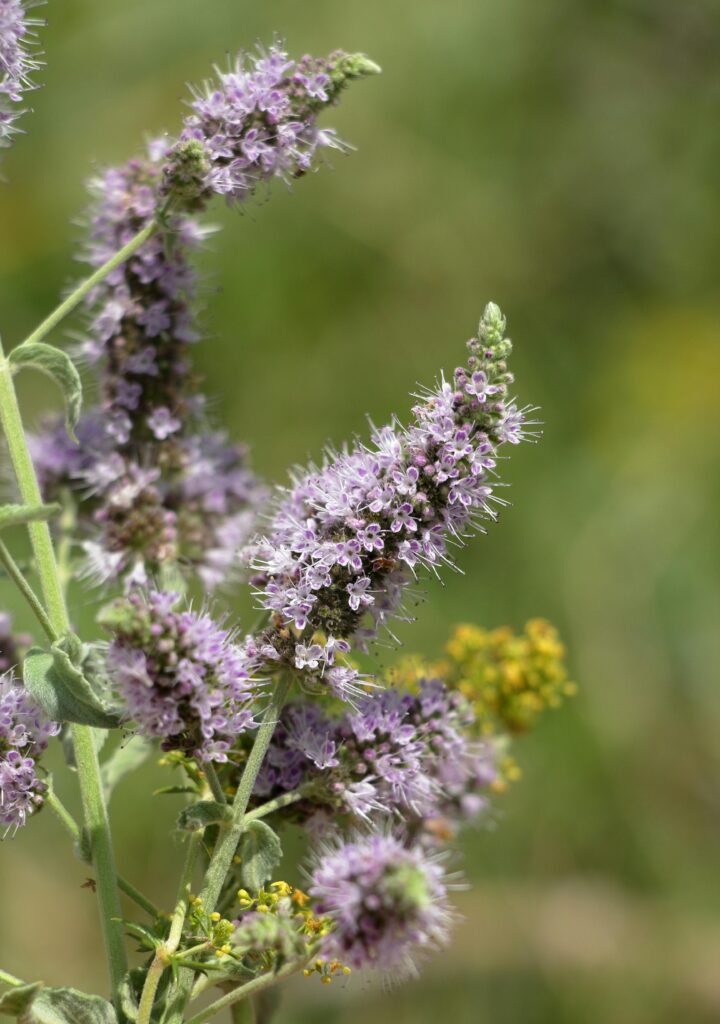
Anise Hyssop
Agastache foeniculum
Anise Hyssop is named for its leaves, which have a sweet licorice flavor that fades into light citrus notes. Add fresh to baked goods or steep into a delicious tea. In your garden, Anise Hyssop is a fantastic pollinator plant, attracting different species of bees and hummingbirds to help pollinate your other vegetables.
They’re also exceptionally easy to grow: hardy down to zone 4, drought tolerant once established, and they don’t need any fertilizer! Just cut off dead flower heads for consistent blooms all through summer and fall.
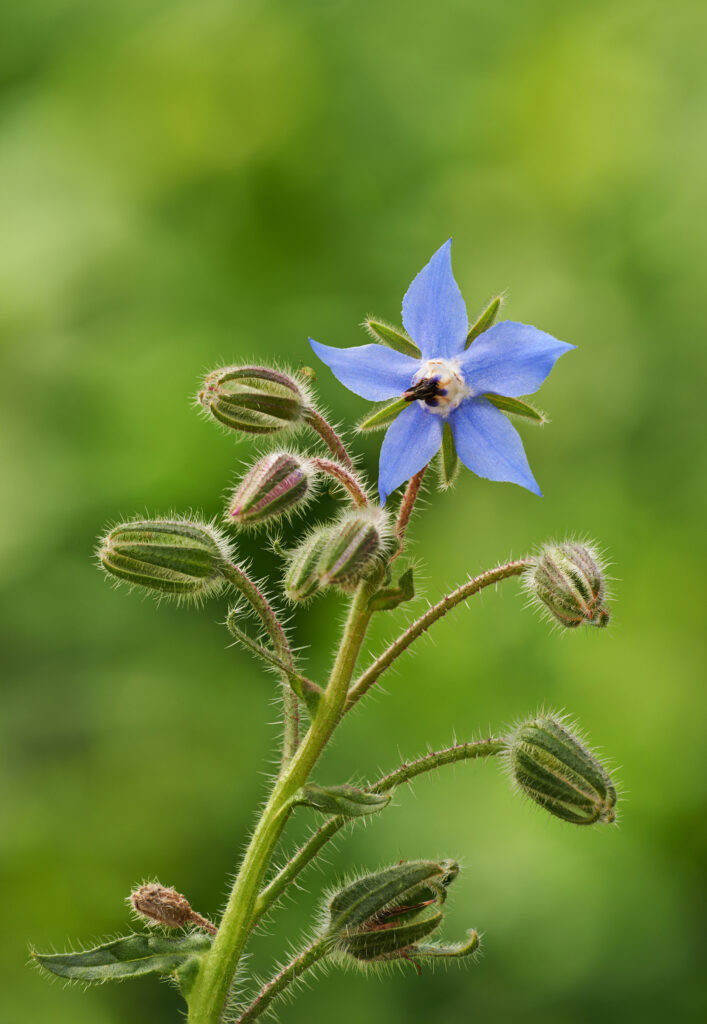
Borage
Borago officinalis
The cream of the crop for attracting bees! Borage is the favorite food of many different bee species due to its rapid nectar and pollen production. However, bees aren’t the only ones at the feast! Before they mature and become fuzzy, borage leaves can add a delicious herbal, cucumber-like flavor to salads, soups, and other places you would use a leafy green.
If you want to get fancy though, try making Ligurian Pansotti, which is a pasta dish from the Northeastern region of Italy. The filling was traditionally made with fresh cheese and locally foraged greens like dandelion, nettles, and, of course, borage!
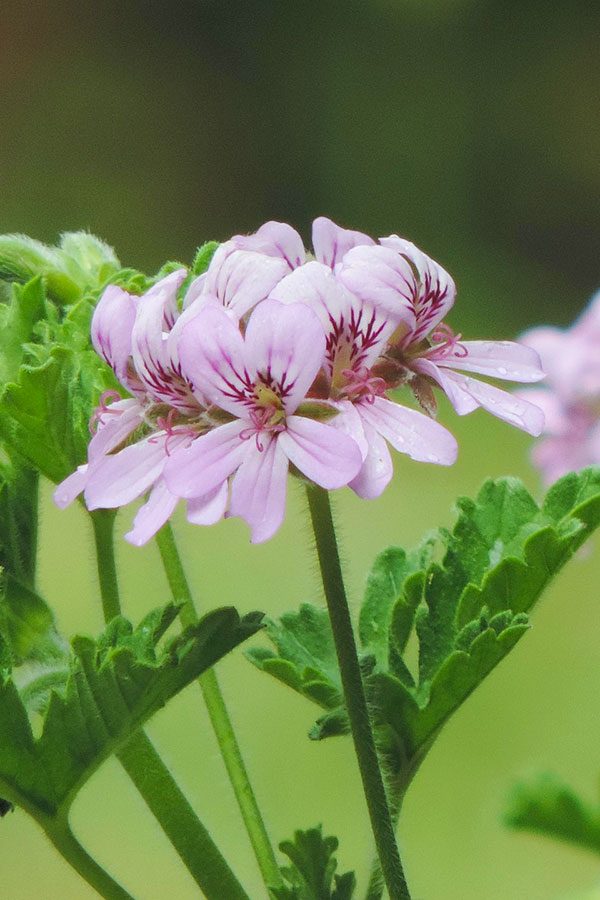
Scented Geraniums
Pelargonium graveolens
Scented geraniums are a tender perennial in the PNW, with gorgeous flowers and frilled leaves that come in a variety of scents like lemon, rose, nutmeg, or even pine. This wide array of fragrances can be used for sweets in several ways! Layer fresh leaves with granulated sugar to infuse it or add a few to jams and jellies as they’re simmering to add more depth of flavor. You can even line your baking sheets and cake pans with the leaves to directly infuse your baked goods with a delicate fragrance that isn’t overpowering.
And, some of our growers even offer a citronella scented geranium that can help to deter mosquitos if planted near your porch or patio!
These powerhouses of the garden add beauty and functionality to any garden space, and are not to be overlooked! At Sky in the springtime, you can find a rotating selection of them in the veggies and herbs department. We receive new shipments each week, so there's always something new to be discovered!
Today we've spoken about a few of our favorites for northwest gardeners, but there are still more that you can find in store or out in the wild; bee balm flowers make an excellent tea, common lilacs add beautiful, sought-after flavor to simple syrups and desserts, and dandelion leaves (when untreated, of course) are a delicious and nutritious salad green! If you're looking for further reading on edible flowers, check out Edible Plants of the Pacific Northwest by Natalie Hammerquist on our shelves (or at Third Place Books). And as always, we're here to help answer planting questions so that you can enjoy healthy edible flowers all season long.