Gardeners: Support Neighbors with Most Needed Homegrown Veggies for Hopelink
For many years now, Sky Nursery has been a proud partner of Hopelink, a community action agency operating within North and East King County to provide essential services for neighbors in need. Their proven assistance programs range from education and family development to housing and of course, their Hopelink Food Markets, which in 2025 served over 20,000 people!
Each winter, Sky Nursery customers and staff rally together in support of Sky's annual food drive and the Greenhouse Winter Maker's Market. But in the spring, as gardeners, we are uniquely empowered to support Hopelink's 'Plant a Row, Share a Row' campaign.
“Plant a Row, Share a Row” gives P-Patch and home gardeners in the Seattle area the opportunity to invest heartily in the strength of their community by directly donating fresh, nutritious produce to any of Hopelink’s 5 Food Markets!
If you love the sound of this, but are a little unsure about what to grow or where to start: read on below for a list of Hopelink’s most-requested produce, with tips for a bountiful harvest! After all, with just a little effort, your garden of any size can produce abundance to support not only your family, but neighbors in need as well.
HOPELINK'S MOST NEEDED FRESH PRODUCE:
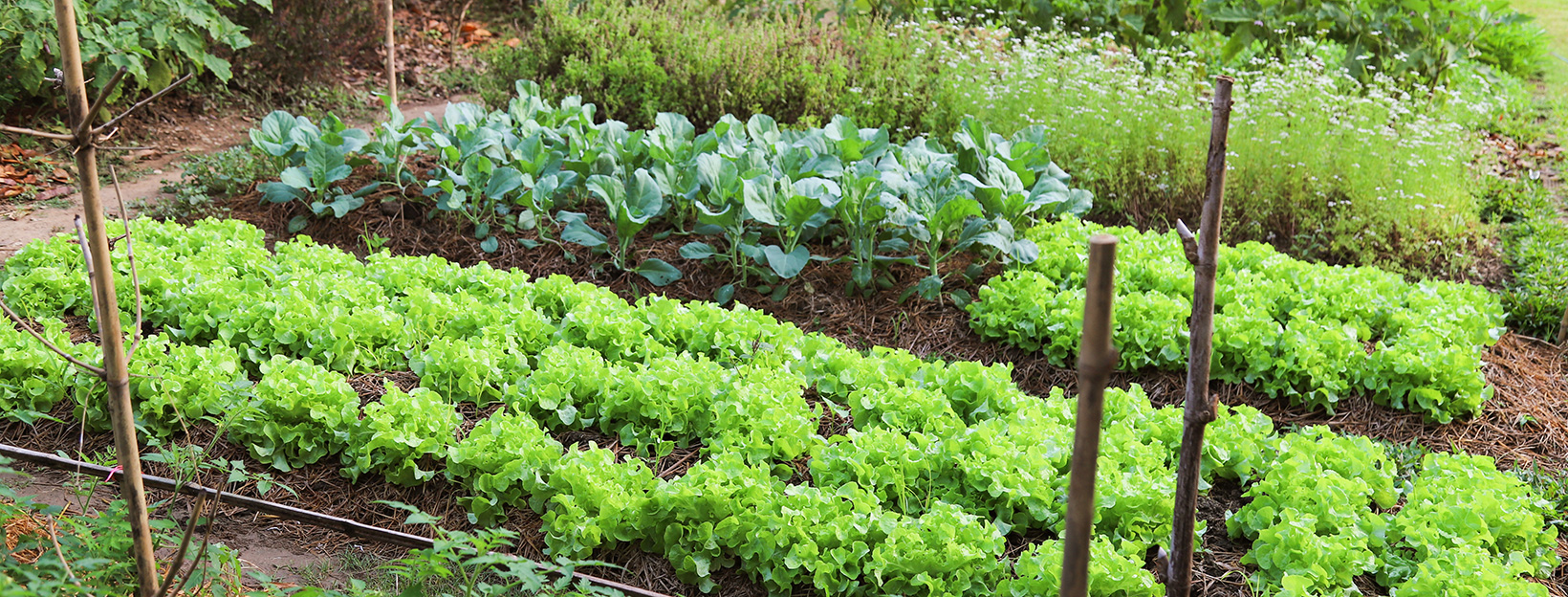
LEAFY GREENS | COOL SEASON VEG
Spinach
A versatile, vitamin-rich veggie beloved by many! Not only is it an easy way to add a splash of green to soups and sauces, it’s also the star ingredient in dishes like aloo palak (spinach and potato curry) or spanakopita (Greek spinach pie)! Plant seedlings 8 inches apart in partial shade (4-6 hours of direct sunlight per day) and fertilize with an organic high-nitrogen fertilizer like Blood Meal for beautiful, deep green bunches of spinach!
Common Sky Varieties: Bloomsdale Savoy, Olympia, Green Arrow
Lettuce
The quintessential salad green, high in Vitamin K and full of water for quick and easy hydration! While often eaten raw in salads, sandwiches, and wraps, lettuce can also be cooked! Stir Fried Lettuce is a very popular Cantonese side dish, often made with romaine or iceberg lettuce due to their delightful crunch! They grow best when planted in partial sun and nitrogen-rich soil. Space starts 10-12 inches apart, and keep a close eye out for slugs as the plants mature.
Common Sky Varieties: Little Gem Romaine, Jericho Romaine, Crispino Iceberg
Bok Choy / Pak Choi
A cruciferous vegetable that grows into heads of tender leaves and crisp, crunchy stems! Like other members of the Brassica (Broccoli) family, it’s high in Vitamins A, C, K, and loaded with antioxidants. Enjoy steamed, blanched, stir fried, or even made into kimchi! When sowing seeds or transplanting, keep in mind that Pak Choi varieties can either be full sized (12-15 inches tall when mature) or baby/dwarf (6-8 inches tall when mature). Plant the larger varieties 12 inches apart and dwarf varieties just 6 inches apart in fertile, nitrogen-rich soil like other leafy greens.
Common Sky Varieties: Mei Qing Choi, Joi Choi, Shanghai*
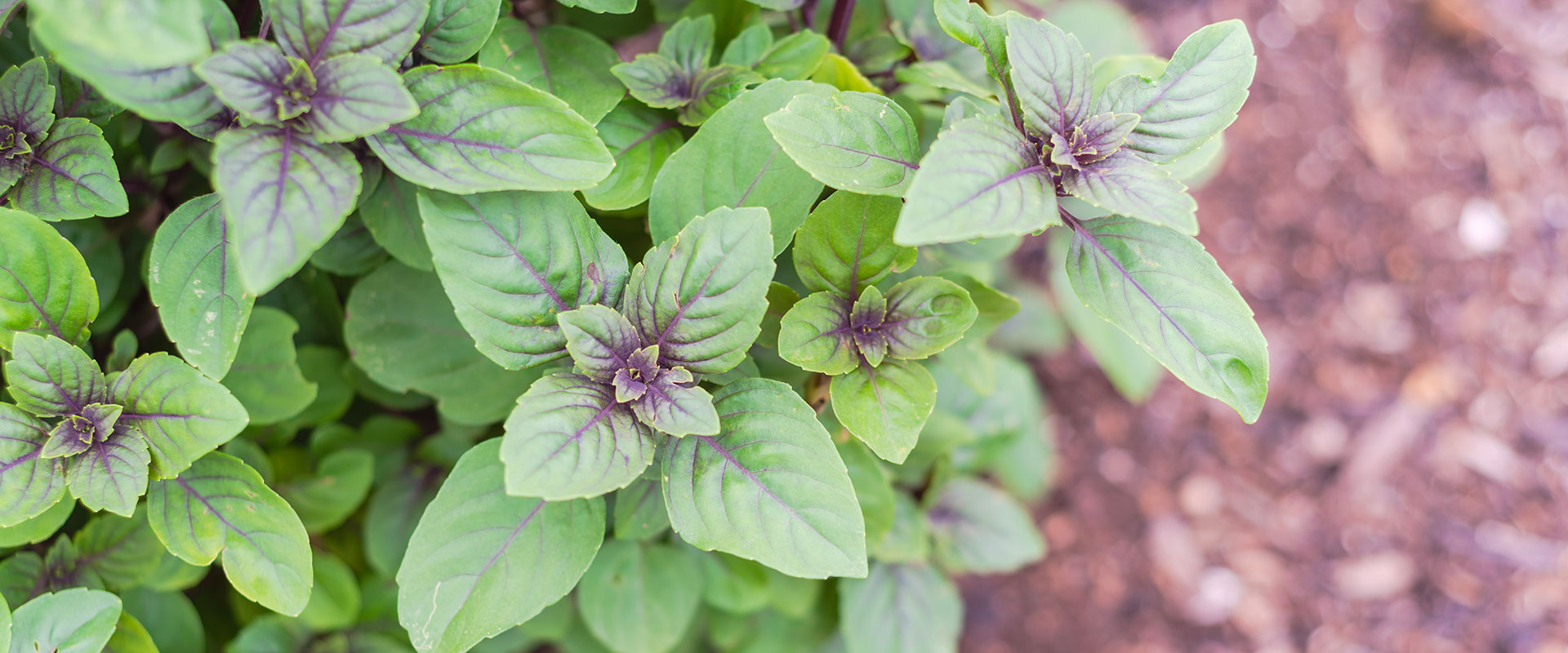
HERBS
Cilantro / Coriander | COOL & HOT SEASON
Fun fact: the gene that makes cilantro taste like soap to some folks is called OR6A7! To those of us without the gene, its pungent, citrusy flavor adds wonderful brightness to salsa, guacamole, or even a steaming bowl of pho! The seeds are also edible, with a warmer and sweeter taste than the leaves. Coriander seeds can be toasted and are often ground up and included in garam masala spice blends. When growing at home, a well amended soil with compost before planting is always a good practice. Sow seeds every other week for a constant supply of this aromatic herb!
Common Sky Varieties: Santo Slow Bolt, Cruiser*, Marino*,
Basil | HOT SEASON
A summertime favorite at Sky! Its sweet and subtle licorice flavor has been a staple in Italian cooking for centuries, but the world of basil doesn’t end with the sweet, Genovese type. Holy Basil/Tulsi (Ocimum tenuiflorum) is used in certain stir fries like Pad Kra Pao, and Thai Basil (Ocimum basilicum var. thyrsiflora) is used in both green and red curry. For best results, protect basil from temperatures below 50 degrees, and plant in light, fertile soil. When harvesting, cut the stems just above a set of leaves to encourage further branching!
Common Sky Varieties: Dolce Fresca, Thai Basil, Holy Basil (Tulsi)
Perilla / Shiso | HOT SEASON
Perilla frutescens is a commonly used ingredient in east/southeast Asian cooking. Also called kkaennip in South Korea, its slightly minty, grassy flavor lends itself to a variety of dishes! They can be eaten fresh with barbecued meats, pickled, or even made into kimchi! Its close cousin, Shiso (Perilla frutescens crispa), is more commonly used in Japan, and has a stronger minty flavor with hints of citrus. Plant perilla when temperatures are above 50 degrees, and in a spot where it’ll get at least 6 hours of direct sunlight.
Common Sky Varieties: Perilla* (tentatively seed only because Dirty Knees may not have them this year), Green Shiso, Red Shiso
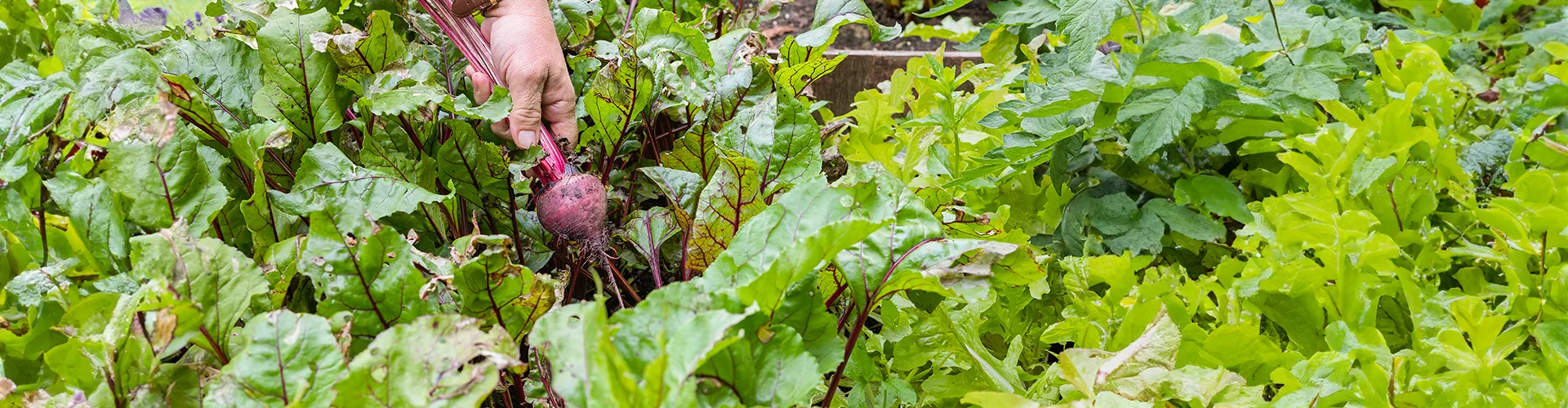
ROOT VEGETABLES | COOL SEASON VEG
Beets
Despite originally being cultivated for its leaves (which are like spinach or chard and still very tasty), beetroot is now an easily accessible grocery store ingredient with a surprising variety of uses! They’re especially popular in Eastern Europe, with Red Borscht being a well-known Ukrainian dish. They can be eaten raw, pickled, roasted, even cooked and blended into hummus or a beautiful pasta sauce! Beets are also easy to grow; just plant in light soil, free of large rocks, and keep consistently moist (but not wet). Keep in mind, fertilizer is unnecessary for most root veggies as well. In fact, too much nitrogen can stop root production all together.
Common Sky Varieties: Bull’s Blood, Touchstone Gold, Shiraz Tall Top
Spring Radish
This colorful little root veggie is colorful, easy to grow, and super fun to harvest! You may recognize Spring radishes as the round, red kind you see in your local grocery store, perfect for eating raw in a salad or crudites platter, or they can be pickled to perfectly mellow out their spicy flavor!
If you'd prefer, that same spice can be mitigated by planting in cooler temperatures. Radishes grow very easily from seed! Spread seeds ¼ to ½ an inch deep into light, moist soil, and thin to 2 inches apart when true leaves appear. Be sure to harvest quickly to avoid any 'pithiness' and excess spice.
Common Sky Varieties: Cherry Belle*, French Breakfast*, Roxanne*
Winter Radish / Daikon
In contrast to their springtime siblings, winter radishes are larger and hardier, with a very mild flavor. Their more dense flesh holds up better to longer, slower cooking like soups and braises. Pickled daikon radish is also a very common side dish or appetizer, its tangy taste being a great palate cleanser between heavier dishes! Winter radishes do take longer than spring varieties to mature, so they’re best when planted in late summer. Then they can germinate quickly, and ripen as the weather cools. They also don’t get pithy or spicy if left in the ground too long, so you can harvest when they’re nice and fat!
Common Sky Varieties: Mino Early*, Sweet Baby*, Mantanghong*
FRUIT & GOURDS | HOT SEASON VEG
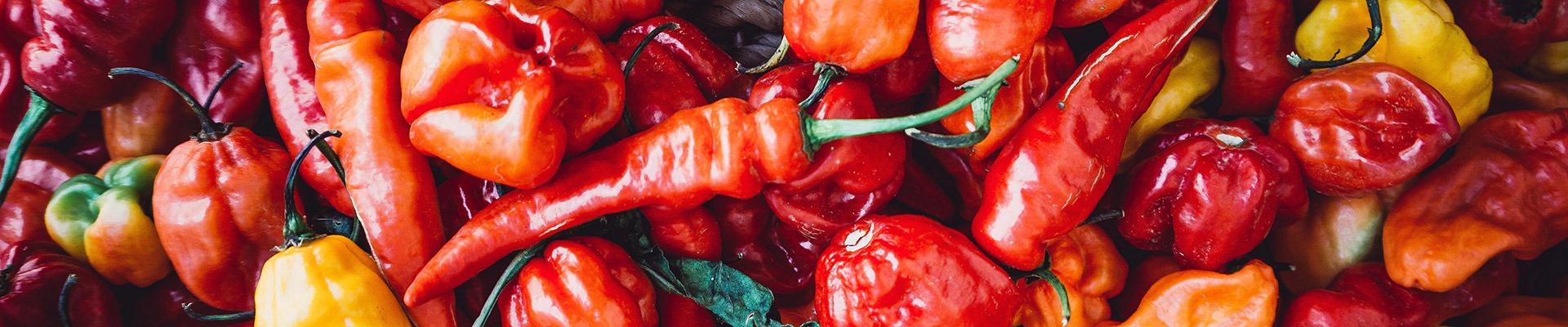
Hot Peppers
Originating in Central and South America thousands of years ago, hot peppers have since found their place in dozens of cuisines across the world. They can be dried, pickled, or chopped up and used fresh in sauces and marinades. Peppers require heavy amounts of sun and warmth to produce a good crop, which can sometimes be difficult to achieve with our shorter, cooler Puget Sound summers. Circumvent this by using cloches or other methods of frost protection to extend the growing season, and the heat! For further care instructions and a list of all our available varieties, please check out our Pepper List.
Common Sky Varieties: Thai Bangkok, Jalapeno Emerald Fire, Shishito
Zucchini
This summer squash makes for a delicious warm weather treat! Zucchini’s mild, sweet flavor and high water content make it extremely versatile, from a fresh loaf of zucchini bread to a hot zucchini fritter! They can be grilled, roasted, sautéed, or even blended into soup! For a successful harvest, consistent watering and pollination is key, which is why we always encourage planting flowers nearby to attract local pollinators! But if that isn’t possible, hand pollinating your squash plants is super quick and easy!
Common Sky Varieties: Costata Romanesco, Noche, Patio Black
Eggplant
Truly, one of the most underrated vegetables in the eyes of our veggie buyer. The spongey flesh of an eggplant soaks up sauces and marinades, and has a beautifully tender texture after cooking. You can even avoid its infamous bitter taste by salting and leaving it to rest before cooking; the salt draws out the bitter water inside, which can then be wiped or rinsed off. Eggplants also have similar growing requirements to hot peppers, needing lots of warm, sunny weather to bear fruit. Use frost protection or plant early-maturing Asian varieties for a reliable harvest!
Common Sky Varieties: Ping Tung Long, Orient Express, Ichiban
BEANS & VINES
Pole & Bush Beans | HOT SEASON
While often relegated to the "classic Thanksgiving side dish," green beans are a nutritious vegetable that can be used all summer long! Sauté with garlic for a simple, delicious side, or mix with pasta in a Trenette al Pesto. Note that both Bush and Pole bean varieties will give you regular green beans, but with just a couple key differences:
Bush beans will make shorter plants (about 20") that need no support and have a shorter harvest window.
Pole beans, on the other hand, can get up to 6 ft tall, and require a stake or pole to wrap around. They’ll give you a smaller number of beans at a time but can be harvested all summer!
Harvest constantly (and we mean constantly) and the vines will reward you with a strong, steady supply of beans!
Common Sky Varieties: Kentucky Wonder, Blue Lake, Provider
Snow Peas | COOL SEASON
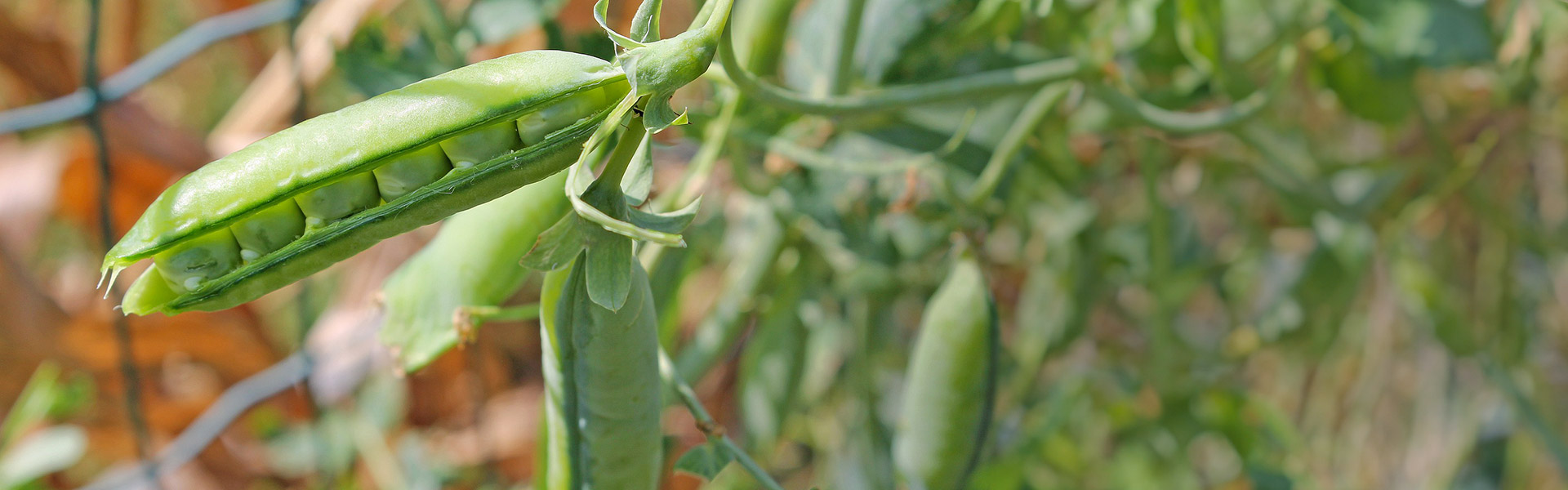
Snow peas are another familiar springtime vegetable, beloved for their sweet, fresh taste! While delicious raw, they really shine after a quick sauté or stir fry, getting even sweeter while still retaining a lovely crunch! The immature shoots are also edible and tasty, with a similar mild flavor and crisp texture. Use them fresh in a salad, sautéed, add to soups, and more! Plant outside when the soil isn’t too wet and provide a trellis; peas need ladder-style support for their tendrils to wrap around as they grow!
Common Sky Varieties: Oregon Giant Snow, Dwarf Gray Sugar, Little Snowpea White*
Many of the vegetables that we’ve recommended above require just a little bit of space and time to maintain, and you don't have to grow an entire cornucopia to contribute meaningfully. Any amount that you can donate helps just one more person in your community than would have otherwise.
A note on 'Cool Season' vs. 'Hot Season' Veggies & Herbs: In the Northwest, we are lucky to have two seasons to plant cool season/overwintering veggies, and one short, but sweet hot season planting window. Check out our Vegetable Planting Chart to learn more. Sky Nursery carries a rotating weekly selection of veggies and seeds in alignment with these seasons.